How to Rent a Mini Crane
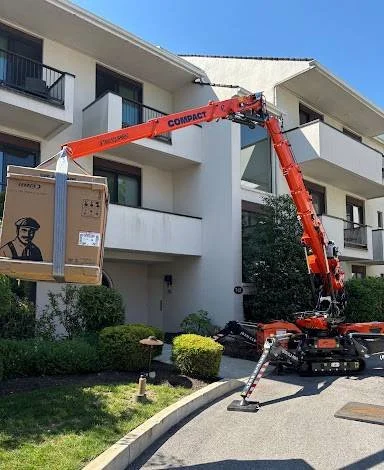
Mini cranes have become essential equipment for projects that require precision lifting in confined or difficult-to-access spaces. From glazing installations and steel placement to indoor construction and industrial maintenance, these compact lifting machines provide impressive lifting power while maintaining excellent maneuverability. Understanding how to rent a mini crane properly helps contractors, project managers, and construction teams improve efficiency, reduce downtime, and maintain safer job site operations.
Steps to Renting a Mini Crane
Renting a mini crane involves more than simply choosing available equipment. Selecting the right machine for the application ensures better lifting performance, improved site safety, and fewer project delays.
The first step is evaluating the specific requirements of the job site. Mini cranes vary significantly in lifting capacity, boom reach, footprint dimensions, and terrain capabilities. Understanding the exact lifting conditions helps determine which model best fits the project.
Key factors to assess before renting include:
Maximum lifting capacity required
Horizontal and vertical reach
Indoor or outdoor operation
Ground conditions and stability
Access limitations and entry clearances
Power source requirements
Material type and load dimensions
Once the project specifications are identified, the next step is coordinating with a qualified lifting equipment provider. A professional rental company will help evaluate site conditions and recommend the most suitable mini crane configuration for the application.
Before finalizing the rental, contractors should review:
Rental duration and scheduling
Delivery and transportation logistics
Operator availability
Site preparation requirements
Safety accessories and attachments
Maintenance and inspection records
Mini cranes are commonly paired with specialized lifting attachments such as:
Vacuum glass lifters
Spreader bars
Jibs
Remote-control systems
Non-marking tracks for indoor use
Proper planning before equipment delivery minimizes operational interruptions and allows lifting activities to proceed more efficiently once the crane arrives on-site.
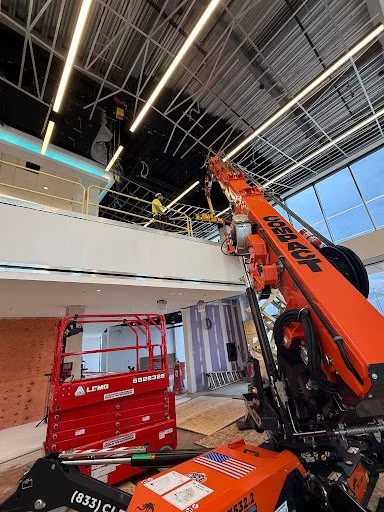
Requirements for Operators and Certification
Operating a mini crane requires technical knowledge, lifting experience, and a strong understanding of job site safety protocols. While mini cranes are compact compared to traditional cranes, they still involve complex lifting operations that demand qualified operators.
Many projects require operators to hold certifications that comply with OSHA standards and local construction regulations. Certification requirements may vary depending on the crane size, lifting capacity, and job site conditions.
Qualified operators should understand:
Load chart interpretation
Crane setup and stabilization
Weight distribution principles
Rigging procedures
Hazard recognition
Emergency shutdown procedures
Ground pressure management
In many cases, contractors choose rental providers that offer trained operators alongside the equipment. This approach helps reduce liability while ensuring safer and more efficient lifting operations.
Benefits of working with certified operators include:
Reduced risk of accidents
Improved lifting precision
Faster project completion
Better compliance with safety regulations
Lower likelihood of equipment misuse
Operators must also perform daily inspections before crane operation. These inspections typically include evaluating outriggers, tracks, hydraulic systems, wire ropes, safety controls, and lifting attachments to ensure all components function correctly.
Common Mistakes to Avoid When Renting
One of the most common mistakes contractors make when renting a mini crane is selecting equipment based solely on lifting capacity without considering site accessibility or boom reach limitations. A crane may have sufficient lifting power but still fail to operate effectively within confined work areas.
Another frequent issue is underestimating ground conditions. Mini cranes distribute weight differently depending on setup configurations, and unstable surfaces can compromise operational safety.
Other common rental mistakes include:
Failing to verify access dimensions before delivery
Ignoring overhead obstructions
Overlooking required lifting permits
Renting equipment without proper operator training
Miscalculating load weights
Skipping site preparation
Choosing incorrect lifting attachments
Project delays also occur when contractors fail to schedule equipment rentals early enough. Mini cranes are highly specialized machines often used in demanding construction environments, making availability an important factor during busy project seasons.
Communication with the rental provider is critical throughout the process. Sharing detailed job site information allows the equipment team to recommend the safest and most efficient lifting solution for the application.
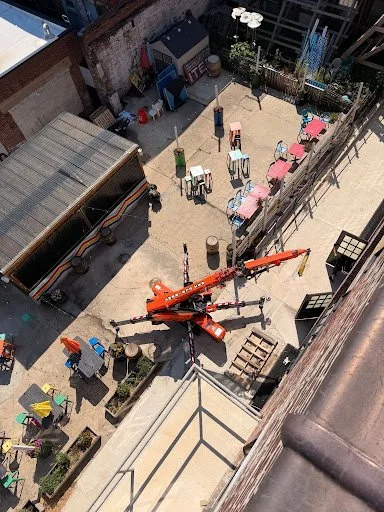
Rent Confidently with Compact Lifting Equipment’s streamlined Process
At Compact Lifting Equipment, contractors gain access to advanced lifting solutions designed for precision, safety, and efficiency in challenging environments. Their streamlined rental process helps customers secure the right mini crane equipment quickly while ensuring every project receives expert support from experienced lifting professionals.
From compact spider cranes and vacuum lifting systems to specialized lifting attachments, Compact Lifting Equipment provides dependable solutions for construction, glazing, industrial, and material handling applications. With a strong focus on equipment reliability, operator safety, and project efficiency, their team helps clients complete demanding lifting tasks with confidence.